
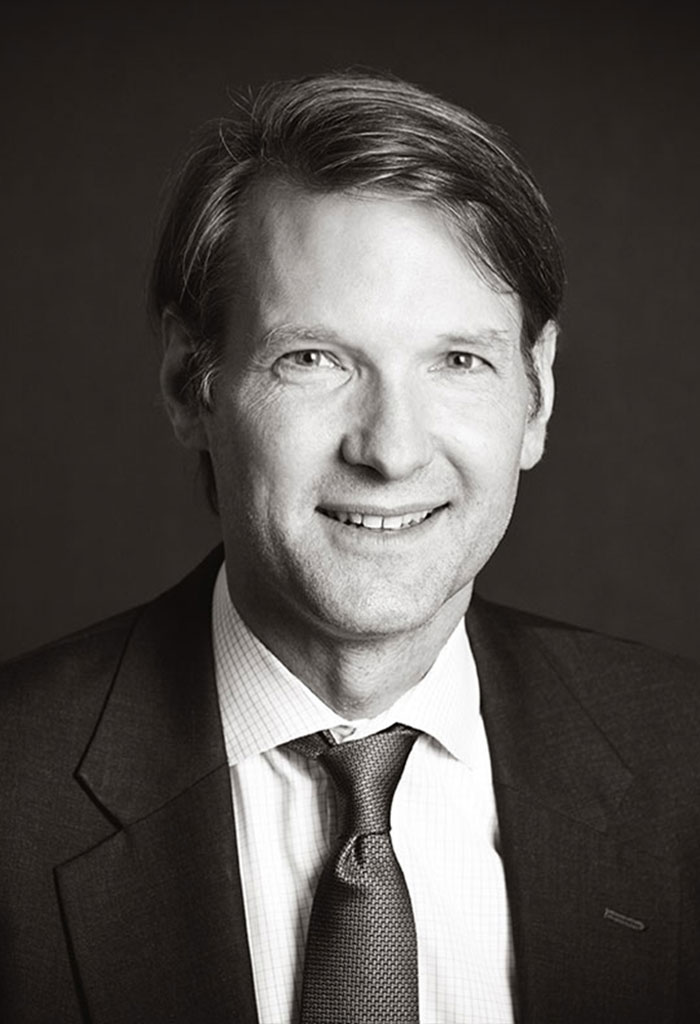
As part of our new leadership spotlight series, we’re sitting down with leaders across Council Advisors—including our colleagues at SSA & Company, The Miles Group, and High Lantern Group—to share insights on leadership, execution, and what it takes to drive results in today’s business environment.
You’ve worked with executives across industries and ownership models. What patterns stand out in how the most effective leaders operate?
People much smarter than I have studied leadership traits like willpower, energy, and humility. One element that deserves more attention, though, is optimism. Happiness is a choice. Being positively-spirited is a choice. Leaders who are optimistic become a force multiplier for how the organization thinks about opportunity, for the energy, and for the culture.
Jack Welch is a useful example. He was known for his incredibly rigorous standards, but those who worked with him also described a magnetic personality with genuine optimism and levity. That combination of discipline and positive energy can be enormously constructive across an organization.
How have your experiences as an investor, consultant, and operator shaped your perspective on building and growing organizations?
It has been really helpful being both an operator and an investor. They are two very different skill sets, and they inform one another. Joining a board lets you see what the other side of the curtain looks like. You start to understand capital structure, financial planning, and ultimate economic return differently than when you are only operating. It is effective, especially at senior levels, to have experience on both sides of the balance sheet.
Today, there are many different flavors of capital, and operators need to understand how to create distinctive opportunities to grow the enterprise and create value. Leaders need to be more facile around capital markets than ever before. Many successful operators may not be the best strategists, but they understand how capital markets relate to their business and capitalize on that understanding. That, in itself, can be a real business strategy.
Looking ahead, what do you see as the biggest challenge for senior leaders over the next decade?
Growth. In most established economies, demographics are working against you. In the United States, the number of productive working-age employees is growing much more slowly. At the same time, capital markets are more sophisticated, and multiples already anticipate a fair amount of growth. You can get squeezed quickly when a good company growing at a good clip still misses the pace investors expect. Many large organizations have also reduced internal R&D and rely more on outside innovation. Returns to talent and returns to innovation will continue to rise.
In a world where growth is at a premium, people who can consistently generate it will see their value increase. You can already see this in how investment firms treat distribution. What used to be considered the back office is now capital formation, and funds are investing heavily because raising capital is a key driver of growth for financial firms.
The common thread is clear: the biggest challenge will be growth, and the premium will accrue to leaders who can deliver it.
We use data collected by cookies to analyze traffic on this website. By clicking “Yes,” you agree to our use of cookies as described in our Privacy Policy.